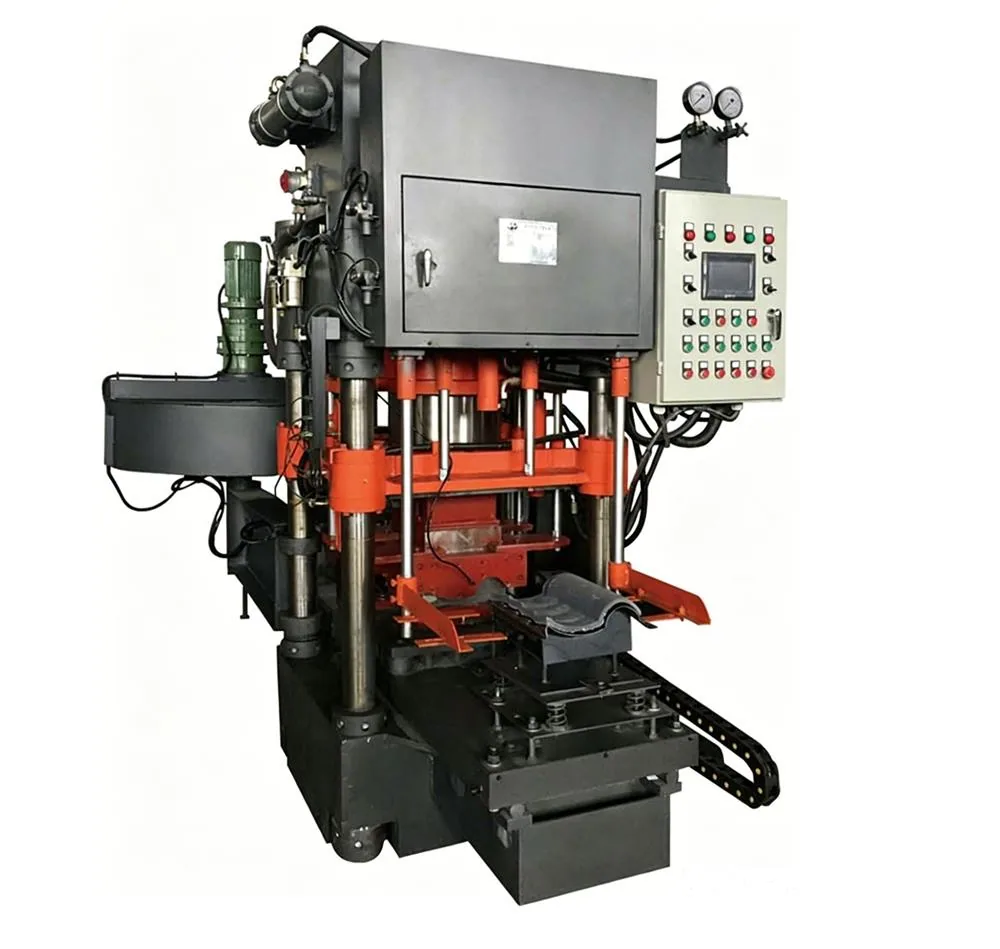
QSD-A
QSD-A Series Cement Tile Forming Machine
High-pressure filter pressing turns cement and sand into dense, weatherproof roof tiles.
View details
One wet line, many pipe profiles: suspended roller forming for water and drainage work.
This is a complete forming line for concrete pipes used in water conveyance and drainage. It works on the suspended roller principle, the established method in which a fast spinning roller shaft presses and rolls the mix against the inside of a mold until the pipe wall is compacted and solid. The line takes an ordinary sand and cement mixture, so no special aggregate supply is needed. Finished pipes come out at standard dimensions and meet the mechanical requirements of the relevant national standards, which means they pass project acceptance without extra work. Because the same machine accepts different mold sets, one line can turn out spigot-and-socket pipes, plain end pipes, tongue-and-groove pipes, perforated pipes and tees. That single-machine flexibility is the main reason small and medium cement product makers choose it: there is no need to install and finance several separate production lines. The investment threshold is low, the process is well understood by local crews, and the output covers irrigation, forestry water works, town water supply, sewer networks and pumping station pipework.
<h2>The Suspended Roller Process</h2><p>The core of the line is a roller shaft that hangs inside the pipe mold and spins at speed. Instead of a high-frequency vibrating table, the shaft rolls and presses the concrete outward against the mold wall, layer by layer, until the whole wall is compacted. The method is simple to run, forgiving on mix design and well proven on water pipeline work. Because it compacts by rolling rather than by shaking, the pipe gains an even density around its circumference and along its length, with no weak seam where the two halves of a mold meet.</p><h2>Step by Step Operation</h2><p>The operator first feeds a correctly proportioned dry mix into the pipe mold so that it sits evenly around the cavity. The suspended roller shaft then rotates at high speed and compacts the concrete by combined rolling and pressing force. Once the wall reaches full density, the pipe is demolded and moved to curing. After curing, pieces show consistent mechanical strength and dimensions that match the drawing. The last step in the cycle is simply changing the mold when a different profile is next in the schedule, which is done with the standard lifting equipment already on site.</p><h2>One Line, Many Profiles</h2><p>The same framing and drive accept mold sets for spigot-and-socket joints, plain end pipes, tongue-and-groove pipes, perforated pipes and tees. A producer can therefore quote on a mixed order without buying a second machine or a second building. For a plant serving a district where the network calls for several joint styles, that removes the largest fixed cost from the budget: the civil work and the second set of drives and controls.</p><h2>Where the Pipes Are Used</h2><p>Output goes into agricultural and forestry water projects, water conservancy schemes, urban and rural water supply and drainage networks and pumping station transmission lines. Compression resistance, impermeability and structural stability are the properties that decide acceptance on these jobs, and the process delivers them without a complex curing regime. Being suited to small and medium producers, the line fits a workshop that already has batching and a curing yard and only needs the forming section added.</p><h2>Range and Investment Profile</h2><p>The series is offered in QS1000, QS1500, QST1200 and QST1800 sizes, so a buyer can pick the frame that matches the pipe diameters in demand and the floor space available. Investment barriers are low compared with a fully automated multi-station line, while output is high enough to serve a district level contract. Maintenance is limited to the roller assembly, the drive and the molds, all of which a plant workshop can service with normal tooling.</p>
Tell us your target output and the raw materials you have, and we will send a detailed quotation.
| Parameter | QS Series |
|---|---|
| Model Series | QS Series |
| Available Sizes | QS1000, QS1500, QST1200, QST1800 |
| Forming Method | Suspended roller compaction |
| Raw Material | Sand and cement mixture |
| Mold Options | Spigot and socket, plain end, tongue and groove, perforated, tee |
| Applied Standard | National industry standard for cement pipes |
The pictures and parameters above are for reference only, and the final interpretation right belongs to our company. Final specifications are confirmed in the contract.
Send us your requirements for the QS Series and we will come back with the machine list, a layout drawing and a price.
Enquiry about: QS Series, QS Series Suspended Roller Cement Pipe Production Line
High-pressure filter pressing turns cement and sand into dense, weatherproof roof tiles.
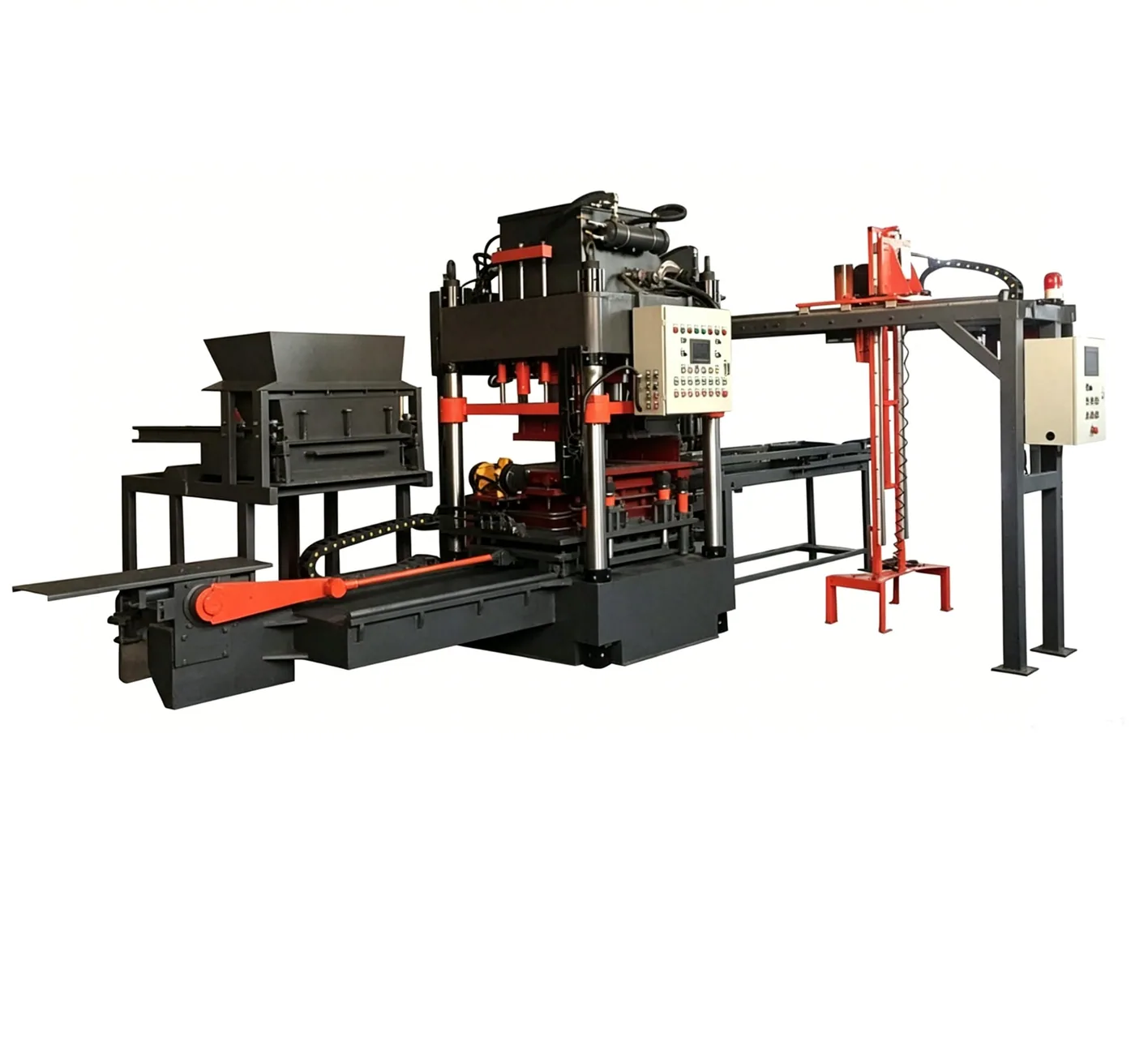
Wet mix filtration plus vacuum molding for curbs and pavers that replace quarry stone.
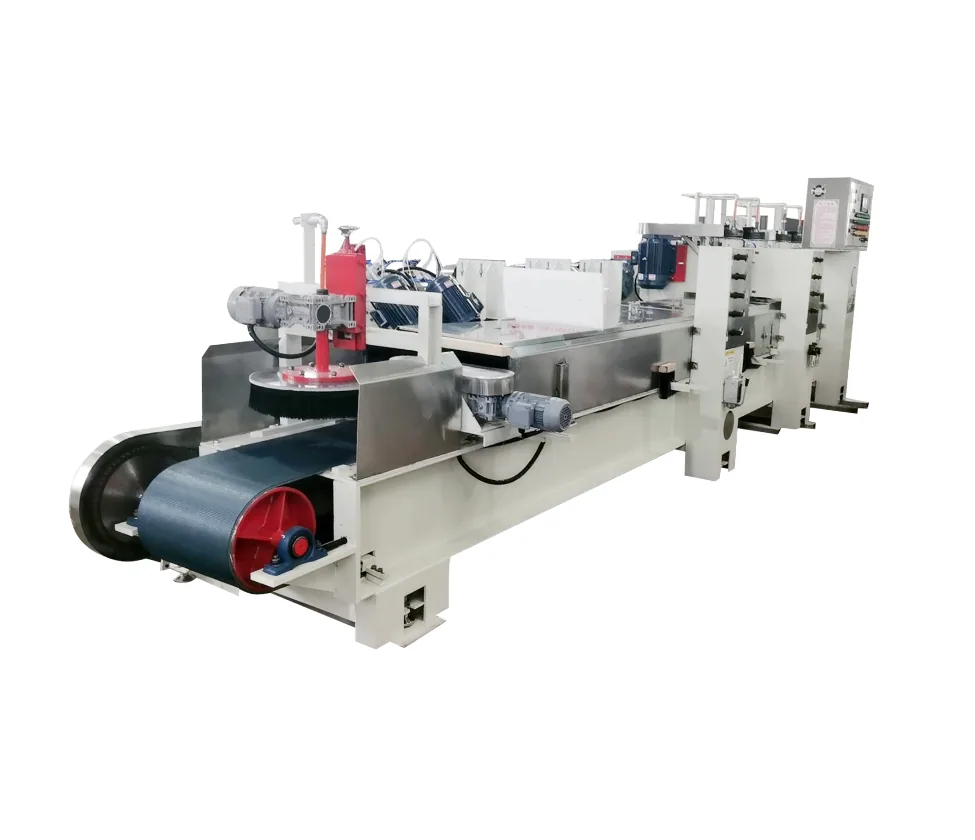
Nine flexible heads polish the face, the side and the chamfer in one pass.