QS Series
QS Series Suspended Roller Cement Pipe Production Line
One wet line, many pipe profiles: suspended roller forming for water and drainage work.
View details
Matte, frosted or antique textures on PC brick faces, recovered abrasive, low dust.
This machine puts the surface texture on precast building products such as imitation stone PC bricks, kerbstones, landscape slabs and municipal paving stones. It is the finishing unit that sits downstream of the PC stone production line, and it exists because polishing alone cannot produce every finish a market asks for. Inside a sealed chamber, controlled centrifugal blasting works together with pneumatic spraying, and the abrasive jet velocity, angle and density are set from the control panel. Abrasive strikes the whole face of the slab, so there are no untreated patches, and the line turns out matte, lychee texture, frosted and antique rough finishes on demand. This solves the familiar complaints about polished slabs: glare, flat repeated texture, slippery surfaces and poor adhesion for later coatings. Used abrasive is recovered automatically, screened and purified in a separator and returned to the loop, and process dust is drawn into a pulse baghouse. The unit suits high-end municipal paving, garden landscaping and exterior wall panels.
<h2>Why Surface Texturing Is Needed</h2><p>A polished imitation stone slab looks flat under strong light, feels slippery when wet and repeats the same sheen across a whole order. Buyers of municipal paving and facade panels increasingly ask for the duller, grainy appearance of natural stone instead. This machine produces that appearance on a production scale by blasting the surface rather than abrading it with a wheel, and it covers the finishes that a polishing line cannot reach.</p><h2>Two Processes in One Machine</h2><p>Precision sandblasting and intelligent shot blasting are combined in a single unit, and the operator switches between finishes from the control panel. Abrasive jet velocity, angle and density are set precisely, which is what allows repeatable matte, lychee texture, frosted and antique rough surfaces instead of a random result. Because the two processes are available together, a plant can offer a full texture catalogue from one finishing station.</p><h2>The Conveying and Blasting Cycle</h2><p>Slabs are fed into a sealed processing chamber on a through-type continuous conveyor, so the flow from the molding line is maintained without manual staging. Inside the chamber the abrasive strikes the entire surface of each piece, which eliminates blind spots and prevents the uneven patches that appear when texturing is done by hand or by a simple stand alone blaster. Every slab that leaves the chamber has been treated over its full area.</p><h2>Abrasive Recovery and Dust Control</h2><p>After processing, used abrasive is collected automatically, screened and purified by a separator, and the qualified fraction returns to the closed loop. That keeps consumption and the cost per square metre under control. Dust from the process is drawn into a pulse baghouse dust collection system, so emissions are collected centrally rather than escaping into the workshop. The whole operation is automatic, which is what makes it suitable for a factory running continuous shifts.</p><h2>Where It Is Used</h2><p>Output goes to premium municipal paving, garden and landscape schemes and exterior wall decorative panels, where the surface finish is part of what the client is buying. Used together with a molding press and a pneumatic polishing machine, the unit forms the finishing section of a high-end precast building material factory. The combination of two processes, full area coverage and closed loop abrasive handling is what keeps product quality consistent from the first slab of a batch to the last. The sealed chamber also means the machine can run inside a normal workshop without a separate dust room, which keeps civil work and changeover time down when a plant adds the unit to an existing PC stone line.</p>
Tell us your target output and the raw materials you have, and we will send a detailed quotation.
| Parameter | PC Brick Texturing Machine |
|---|---|
| Product Type | PC brick surface texturing machine |
| Processes | Centrifugal shot blasting with pneumatic sandblasting |
| Conveying | Through-type continuous automatic conveyor |
| Surface Finishes | Matte, lychee texture, frosted, antique rough |
| Abrasive Handling | Automatic recovery, screening and purification in a closed loop |
| Dust Control | Pulse baghouse dust collection |
The pictures and parameters above are for reference only, and the final interpretation right belongs to our company. Final specifications are confirmed in the contract.
Send us your requirements for the PC Brick Texturing Machine and we will come back with the machine list, a layout drawing and a price.
Enquiry about: PC Brick Texturing Machine, PC Brick Sandblasting and Shot Blasting Machine
One wet line, many pipe profiles: suspended roller forming for water and drainage work.
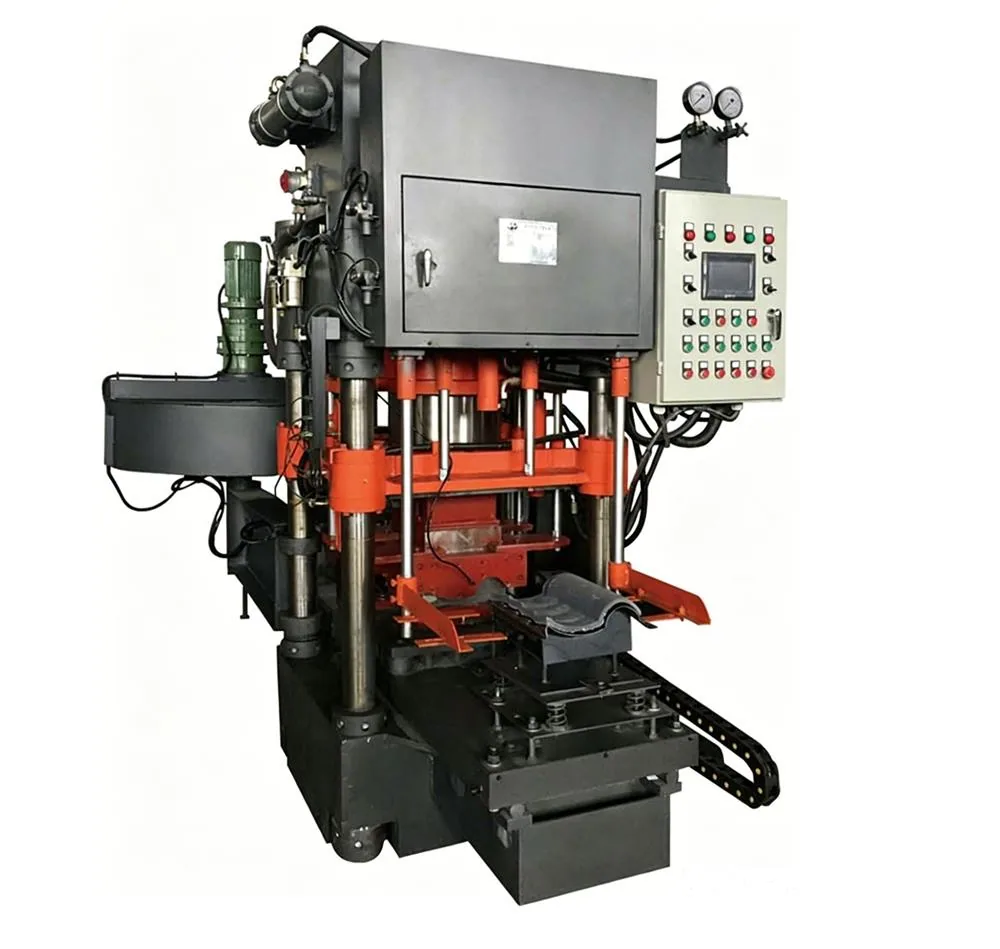
High-pressure filter pressing turns cement and sand into dense, weatherproof roof tiles.
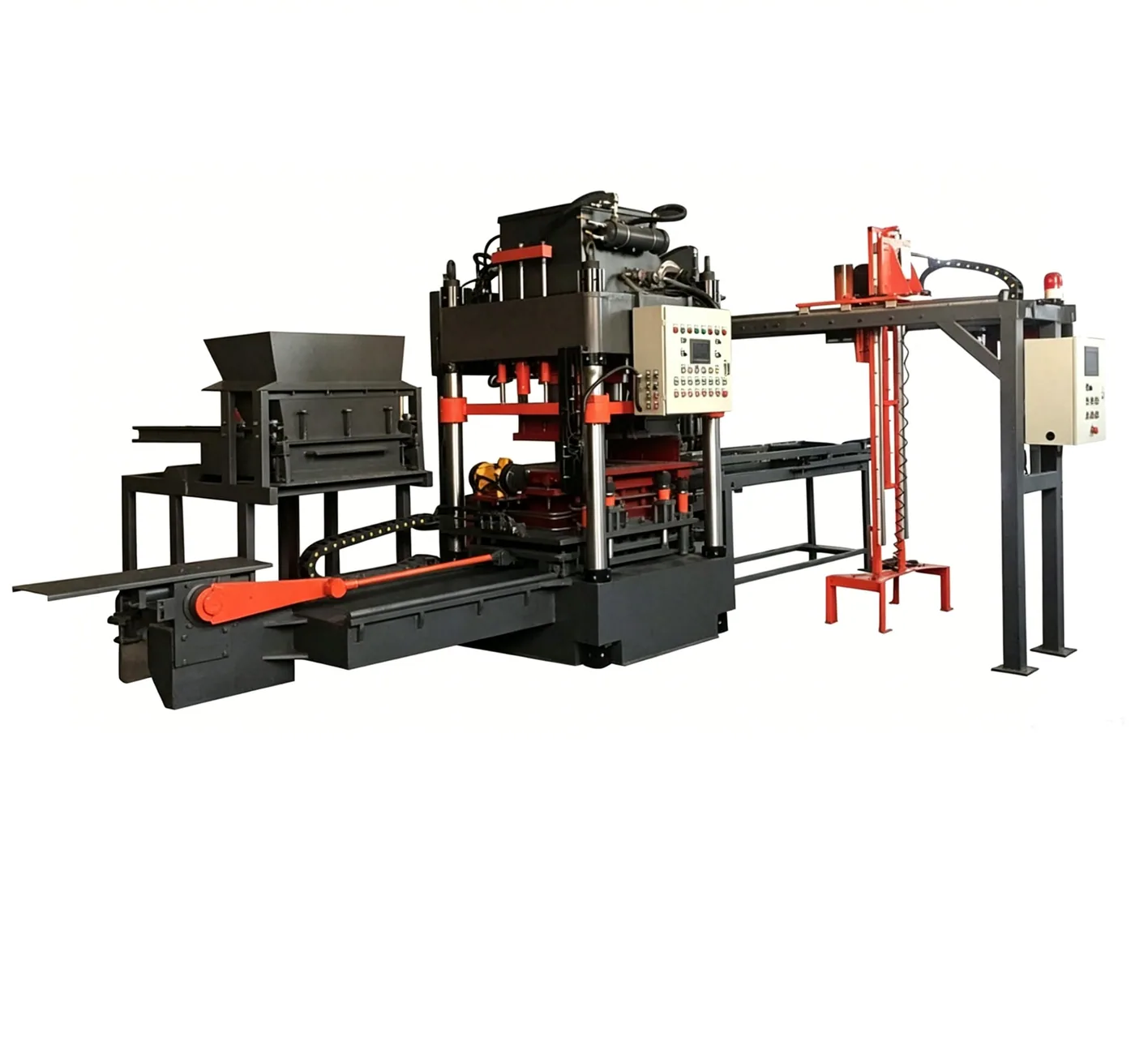
Wet mix filtration plus vacuum molding for curbs and pavers that replace quarry stone.