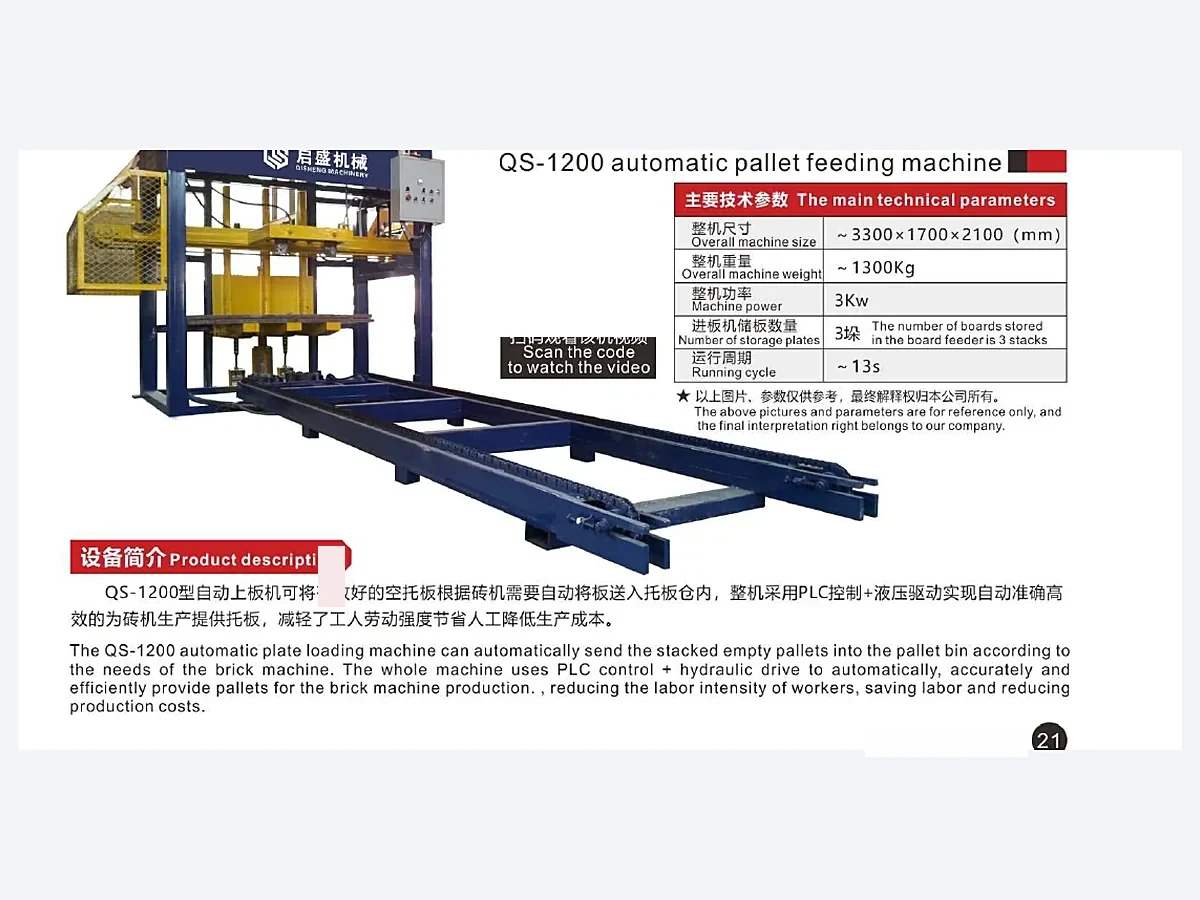
QS-1200
QS-1200 Automatic Pallet Feeding Machine
Keeps the block machine fed with pallets automatically, PLC plus hydraulic drive, one operator less.
View details
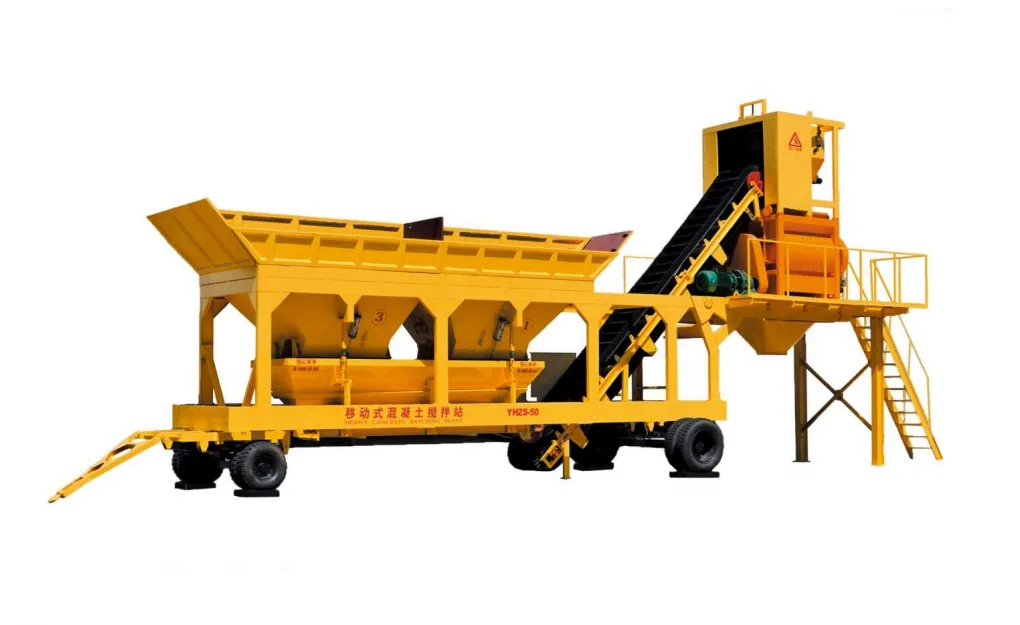
Trailer mounted batching and mixing for road and bridge sites that relocate often.
The QST1800 mobile concrete mixing station puts aggregate bins, metering, conveying, the mixing host and the control system on one chassis so the whole plant travels as a single unit. It suits highway, bridge and smaller infrastructure jobs where the site is tight, the programme is short, and the plant has to move again once the section is finished. On arrival the unit needs only simple levelling and connection before it can produce. Aggregate is weighed in the on-board bin and carried to the mixing host by belt, while cement, water and admixture are metered by independent systems and fed in at the same time. Forced mixing then delivers concrete straight to mixer trucks or site containers. Because there is no separate foundation and no long erection sequence, preparation time drops sharply compared with a stationary plant. The range covers theoretical outputs from 25 to 75 cubic metres per hour, with towing speed of 15 km/h between sites. Belt covers, bin grids and dust seals at the transfer points are part of the build for dusty or windy working areas.
Or call us: +86 158 8041 2886
<h2>One Chassis, One Relocation</h2><p>The QST1800 mobile concrete mixing station is built around a single trailer. Aggregate bins, metering hoppers, the belt conveyor, the mixing host and the control cabin all ride on the same frame, so relocation is a towing job rather than a dismantling project. That arrangement is aimed at road, bridge and small infrastructure contracts where the plant works one section for a few months and then moves a few kilometres downstream.</p><p>Setting up on a new site needs simple levelling and service connections only. There is no separate foundation to pour and no long chain of site welds to inspect, which is what makes an early first pour realistic.</p><h2>How the Station Produces a Batch</h2><p>Aggregate is weighed inside the on-board bin, then carried by belt to the mixing host. Cement, water and admixture arrive through independent metering systems that fill at the same time, so the charge is complete when the hopper is. The host then mixes by forced action and discharges directly to a mixer truck or a site container.</p><p>The line covers theoretical outputs of 25, 35, 50 and 75 cubic metres per hour, paired with JD500, JS750, JS1000 and JS1500 mixing hosts, so a contractor can match machine size to the daily pour rather than overbuying capacity for a short section.</p><h2>Theoretical Output and Power Range</h2><p>Total installed power runs from 65 kW on the smallest build to 100 kW on the largest, and equipment weight moves from 21 to 34 tonnes across the same four sizes. Towing speed is limited to 15 km/h, which suits transfer between adjacent sites and plant yards without low-loader transport.</p><p>The matching between bin volume, conveyor width and host size matters more than any single figure. An oversized host starved by a narrow belt simply runs empty cycles, so the module sizes are paired in the factory rather than mixed on site.</p><h2>Where a Mobile Station Fits</h2><p>Small and medium sites rarely justify the civil works of a stationary plant. A mobile station covers their demand for consistent concrete while keeping the plant recoverable: when the contract ends, it leaves with the equipment rather than with the concrete pad. Contractors preparing remote sections, repair works and temporary batch points are the usual owners.</p><p>Control of the mix still sits with the operator through the on-board panel, so grade changes during a pour are handled at the machine. Optional belt covers, bin grids and a dust seal on the transfer points keep the working area tidy in windy conditions.</p>
Tell us your target output and the raw materials you have, and we will send a detailed quotation.
| Parameter | QST1800 |
|---|---|
| Model | QST1800 |
| Available models | YHZD25 / YHZD35 / YHZD50 / YHZD75 |
| Theoretical output (m3/h) | 25 / 35 / 50 / 75 |
| Mixing host | JD500 / JS750 / JS1000 / JS1500 |
| Total power (kW) | 65 / 75 / 82 / 100 |
| Equipment weight (t) | 21 / 24 / 26 / 34 |
| Towing speed (km/h) | 15 |
| Installation | Trailer mounted, levelling and service connections only |
The pictures and parameters above are for reference only, and the final interpretation right belongs to our company. Final specifications are confirmed in the contract.
Send us your requirements for the QST1800 and we will come back with the machine list, a layout drawing and a price.
Enquiry about: QST1800, QST1800 Mobile Concrete Mixing Station on Trailer
Keeps the block machine fed with pallets automatically, PLC plus hydraulic drive, one operator less.
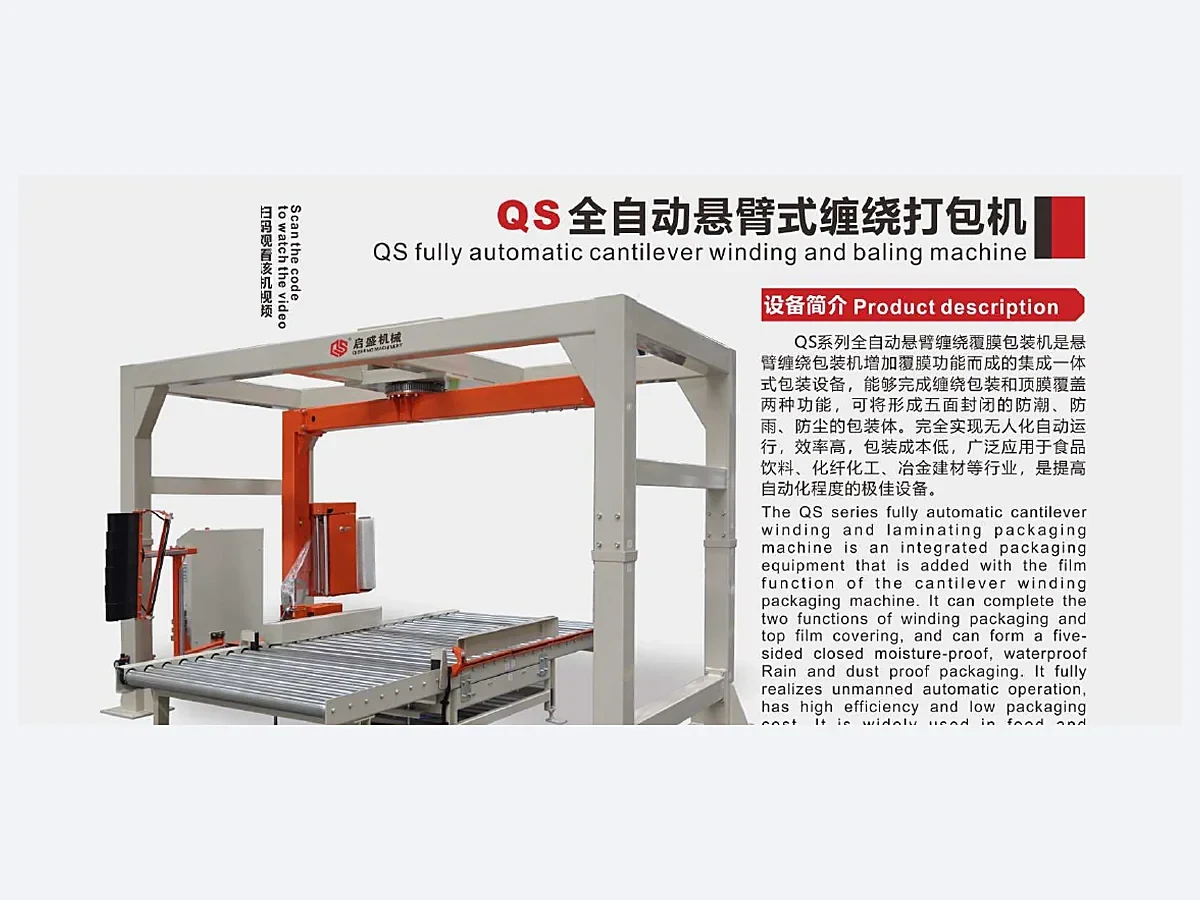
Five-sided sealed packaging, moisture-proof, rain-proof and dust-proof, with no operator needed.
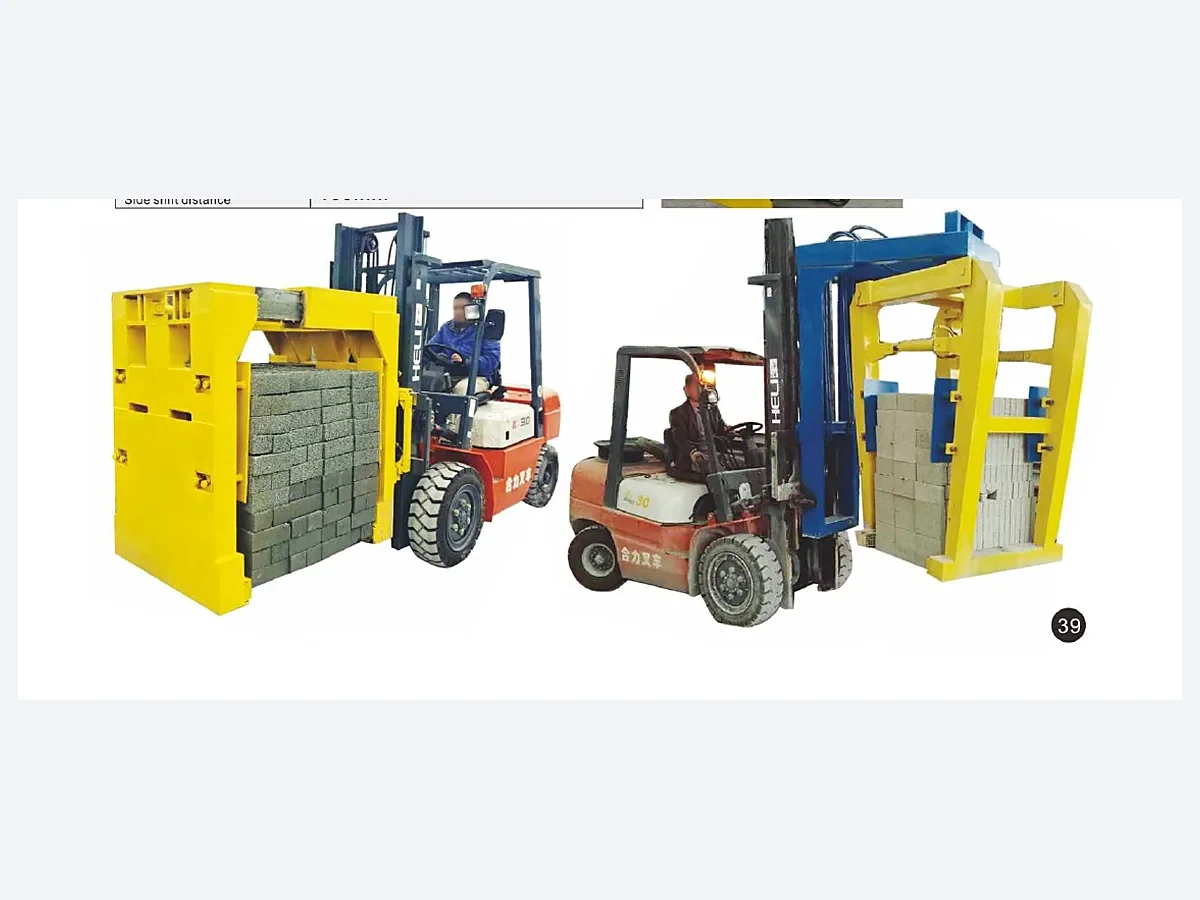
Lift 500–800 standard bricks or 40 hollow blocks in one bite, and load the truck without pallets.